
Comparing a Dry Sauna vs Wet Sauna: What's the Difference?
Sauna therapy has been used for centuries to support relaxation, detoxification, and overall wellness. However, not all saunas provide the same experience. If you are deciding between a dry sauna vs wet sauna, understanding the key differences can help you choose the option that best supports your health and comfort goals.
In this guide, we will break down the wet sauna vs dry sauna debate by exploring how each works, their benefits, and which option may be ideal for your lifestyle.
What Is a Dry Heat Sauna?
A dry heat sauna uses heated air—typically generated by electric or infrared heaters—to warm the room. Humidity levels remain very low, usually under 20%, creating an intense but clean heat experience.
Temperatures in a dry sauna generally range from 160°F to 200°F, allowing the body to sweat deeply without the presence of steam. This type of sauna is known for its simplicity, comfort, and ability to promote deep relaxation.
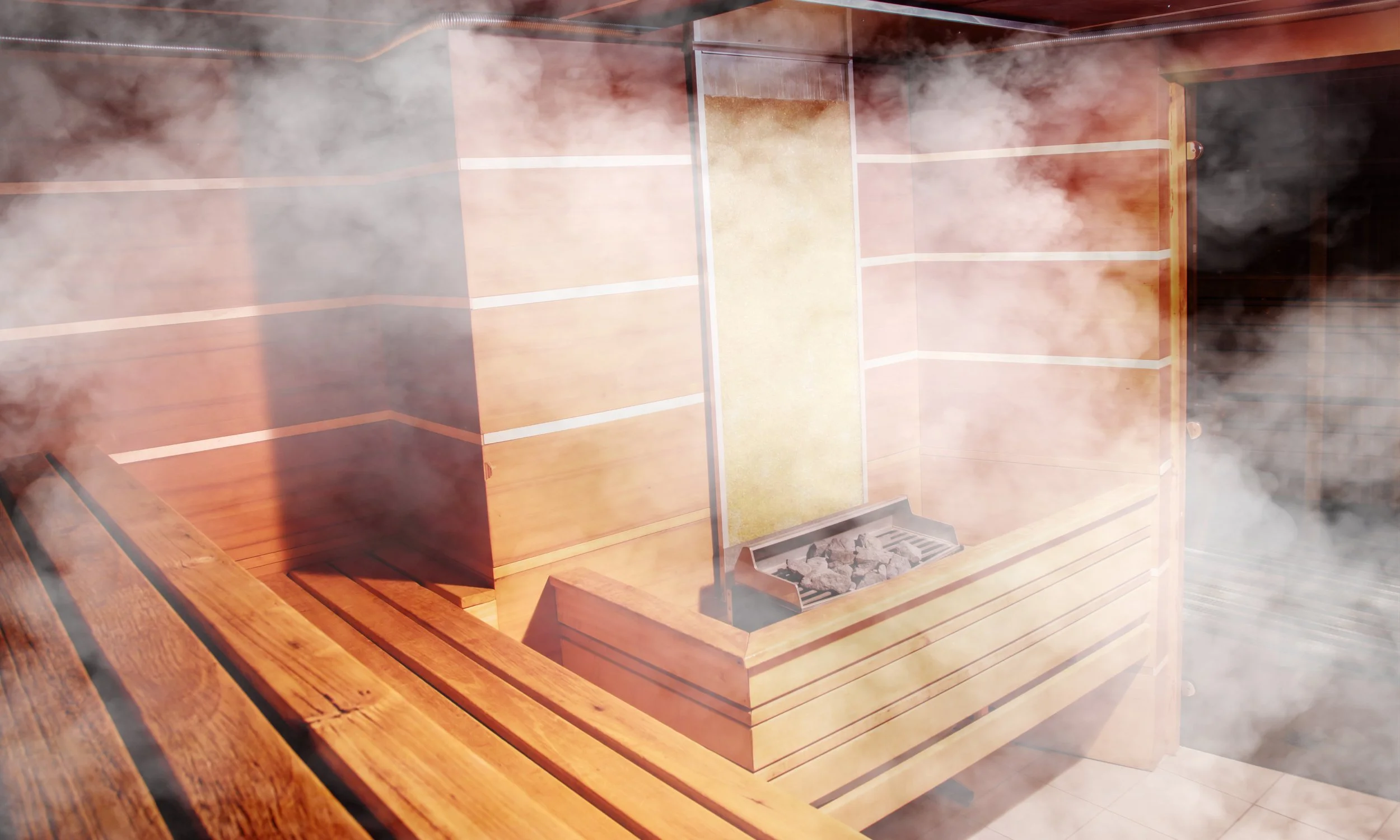
Key Characteristics of a Dry Sauna
Low humidity environment
Higher temperatures
Dry, consistent heat
Minimal condensation
What Is a Wet Sauna (Steam Sauna)?
A wet sauna, often referred to as a steam room, relies on boiling water to produce steam that fills the space with moisture. Humidity levels reach nearly 100%, while temperatures remain lower—typically between 110°F and 120°F.
The damp heat creates a softer, more enveloping sensation that many people find soothing, particularly for respiratory comfort.

Key Characteristics of a Wet Sauna
High humidity and steam
Lower ambient temperatures
Moist heat environment
Condensation on walls and skin
Dry Sauna vs Wet Sauna: Side-by-Side Comparison
The table below highlights the primary differences between a dry sauna vs wet sauna, making it easier to compare their features at a glance.
| Feature | Dry Sauna | Wet Sauna |
|---|---|---|
| Heat Type | Dry heat | Moist heat (steam) |
| Temperature Range | 160°F – 200°F | 110°F – 120°F |
| Humidity Level | Low (10–20%) | High (nearly 100%) |
| Sweating Experience | Fast, deep sweat | Gradual, continuous sweat |
| Breathing Comfort | Crisp, dry air | Warm, humid air |
| Maintenance Needs | Lower | Higher due to moisture |
| Best For | Detox, relaxation, muscle recovery | Respiratory comfort, skin hydration |
Health Benefits: Wet Sauna vs Dry Sauna
Both sauna types offer wellness benefits, but they affect the body in slightly different ways.
Benefits of a Dry Sauna
Encourages deep detoxification through intense sweating
Supports muscle recovery and joint relaxation
Promotes circulation and cardiovascular conditioning
Provides a calming, meditative environment
Benefits of a Wet Sauna
Helps loosen congestion and ease breathing
Hydrates the skin through steam exposure
Creates a gentler heat experience for beginners
Which Is Better: Dry Sauna vs Wet Sauna?
When weighing wet sauna vs dry sauna, the better option depends on your personal wellness goals. If you prefer higher heat, a cleaner environment, and a more traditional sauna experience, a dry heat sauna is often the preferred choice.
Those sensitive to intense heat or seeking respiratory relief may enjoy the steam-based warmth of a wet sauna. However, many spa-goers favor dry saunas for their detoxifying benefits and overall comfort.
Experience Our Dry Heat Sauna at rA Organic Spa in Burbank
At rA Organic Spa in Burbank, we are dedicated to providing holistic wellness experiences in a clean, calming, and organic environment. Our spa is designed to support relaxation, rejuvenation, and mindful self-care.
We proudly feature a dry heat sauna that offers a deeply restorative experience without the excess humidity found in steam rooms. Guests love the soothing warmth, tranquil atmosphere, and the way our dry sauna supports detoxification, muscle recovery, and stress relief.
Whether you are new to sauna therapy or a long-time enthusiast, our team is here to ensure your visit is both comfortable and rejuvenating.

Discover Relaxation and Renewal at rA Organic Spa
Understanding the differences between a dry sauna vs wet sauna makes it easier to choose the option that best supports your wellness routine. While both offer benefits, dry heat saunas provide a powerful combination of detoxification, relaxation, and long-lasting comfort.
If you are ready to experience the benefits of a premium dry sauna, rA Organic Spa in Burbank invites you to unwind, restore, and recharge with us.
Book your dry heat sauna appointment today and take the next step toward total relaxation and well-being.
FAQs
-
The primary difference between a dry sauna vs wet sauna is humidity. Dry saunas use high temperatures with low humidity, while wet saunas rely on steam and high moisture levels to create heat.
-
A dry sauna may burn slightly more calories due to higher temperatures and increased heart rate. However, sauna use should support wellness, not replace exercise.
-
Both options promote relaxation, but many people find dry saunas more calming due to the steady heat and low humidity. The dry environment allows for deeper mental relaxation without the heaviness of steam.
-
Yes, wet saunas operate at nearly 100% humidity, while dry saunas maintain very low moisture levels. This difference significantly impacts how heat feels on the body.
